One Home, Five Vendors: The Hidden Cost of a Piecemeal Smart Home
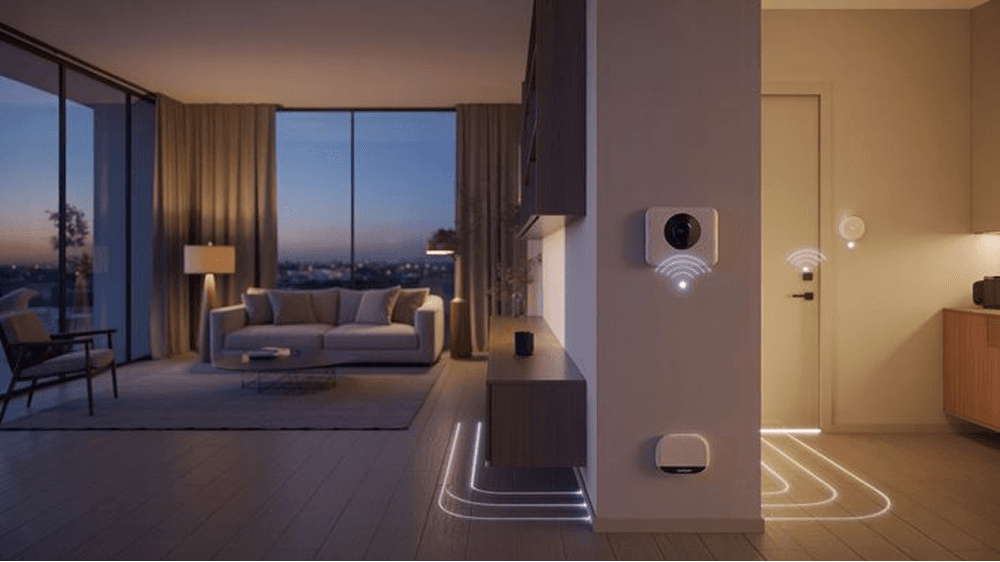
Most smart homes in Dubai aren’t designed. They pile up. Cameras go in first, often with the move. A smart lock comes a year later from a different supplier. Then a speaker system, a video doorbell, maybe a thermostat someone picked up on a weekend. Each one works fine by itself. Together, they turn into five apps, five warranties and five companies to call when something stops working.
Where it starts to break
The real cost shows up when something goes wrong. The doorbell drops offline and the installer says it’s your Wi-Fi. The network company says it’s the doorbell. The camera supplier says that isn’t their device. Each vendor is responsible for their own piece, so nobody is responsible for the whole home.
Then there’s everyday friction. One app for the cameras, another for the lock, a third for the speakers. Each has its own login, its own updates and its own way of doing things. Family members give up and go back to keys and switches. That’s when people decide smart homes are more trouble than they’re worth, when the real problem is how theirs was put together.

The privacy question nobody asks
Every connected device is a door into your home’s network. When devices come from many sources and are set up in a hurry, nobody keeps track of passwords, software updates, or who still has access. A former installer, an old tenant or a forgotten app account can still be connected long after anyone remembers it.
A home planned as one system can be secured as one system. One team knows exactly what’s connected, keeps it up to date, and can tell you who can see what. For a family, that clarity matters more than any single feature. A camera you can’t fully trust doesn’t make you feel safer.
What good planning looks like
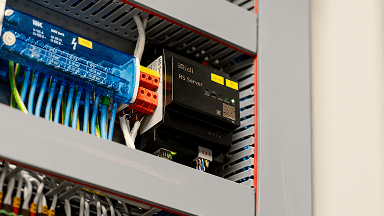
A well-planned system starts the other way round. Before anyone picks a device, someone looks at the whole home: where the cables run, how the network is laid out, which systems need to talk to each other, and who will look after it in five years. It’s the same thinking an architect brings to a building. The decisions you can’t see, made early, decide whether everything you can see works well later.
Planning doesn’t mean doing everything at once. Many homeowners start with security and add more over time, and that’s sensible. The difference is that each step fits into a plan instead of sitting on its own. The wiring is ready, the network has room to grow, and the next addition joins what’s already there.
Questions to ask before your next purchase
Before you add anything new, ask a few simple questions. Who will install it, and will they still be around in three years? Does it work with what you already have, or does it need yet another app? If it stops working, who is responsible for fixing it, and how quickly?